
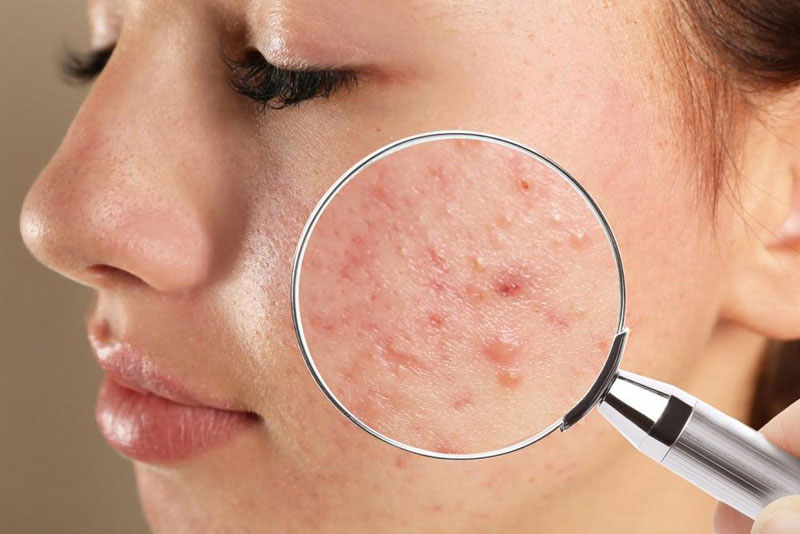
Acne Vulgaris
Type: Inflammatory/Non-inflammatory follicular disorder
Early symptoms
- Blackheads and whiteheads across the T-zone
- Small, inflamed papules/pustules with tenderness
- Noticeable shine or oil production
If not treated
- Cysts, nodules, and long-term scarring
- Post-inflammatory hyperpigmentation
- Emotional distress or reduced self-esteem
Preventive measures
- Gentle cleansing, avoid picking/squeezing
- Use non-comedogenic products, manage triggers
- Seek medical care for persistent or severe acne
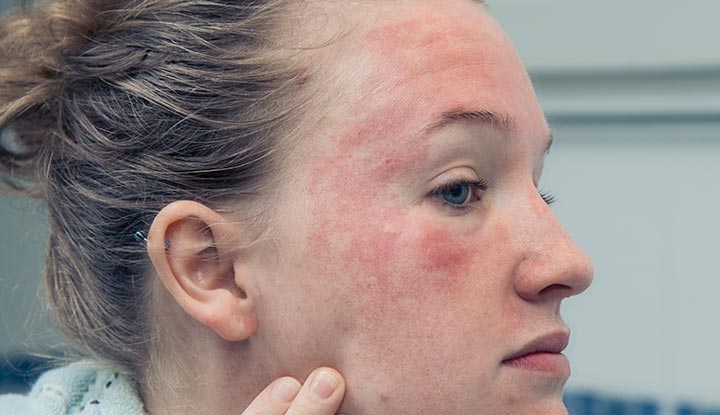
Eczema (Atopic Dermatitis)
Type: Chronic inflammatory dermatosis
Early symptoms
- Dry, itchy, erythematous patches
- Oozing or crusting during flare-ups
- Symptoms worsen with allergens, fabrics, or stress
If not treated
- Skin thickening and persistent inflammation
- Secondary bacterial infections from scratching
- Sleep disturbance and quality-of-life impact
Preventive measures
- Daily moisturization and gentle cleansers
- Avoid known allergens/irritants
- Dermatologist-guided anti-inflammatory care
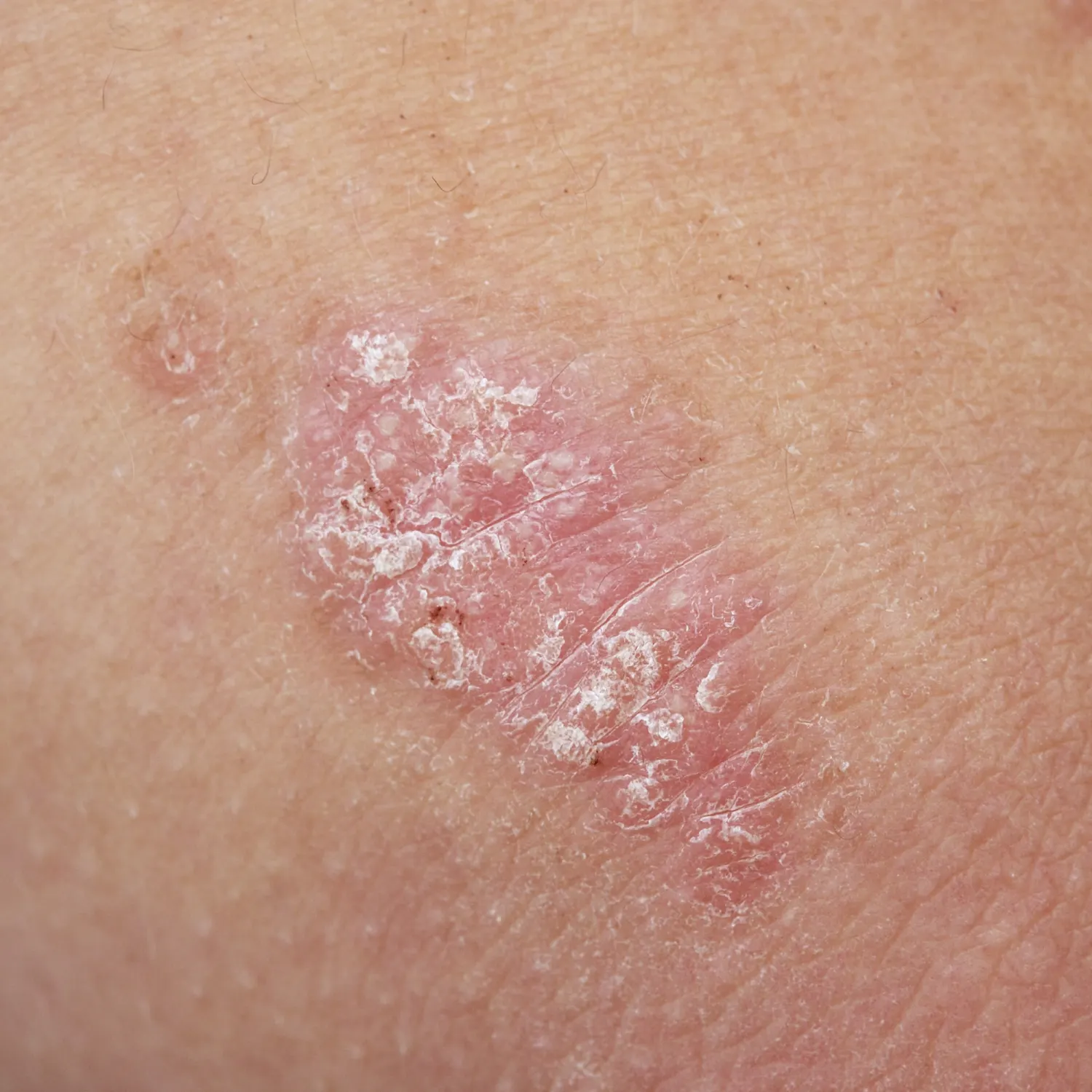
Psoriasis
Type: Autoimmune-mediated chronic dermatosis
Early symptoms
- Red plaques covered with silvery scales
- Itching or stinging on elbows, knees, or scalp
- Dry, cracked skin that may bleed
If not treated
- Plaques thicken and spread to new areas
- Joint pain suggestive of psoriatic arthritis
- Emotional stress and reduced productivity
Preventive measures
- Trigger management (stress, skin injury)
- Regular emollients and dermatology follow-up
- Sun protection and healthy lifestyle
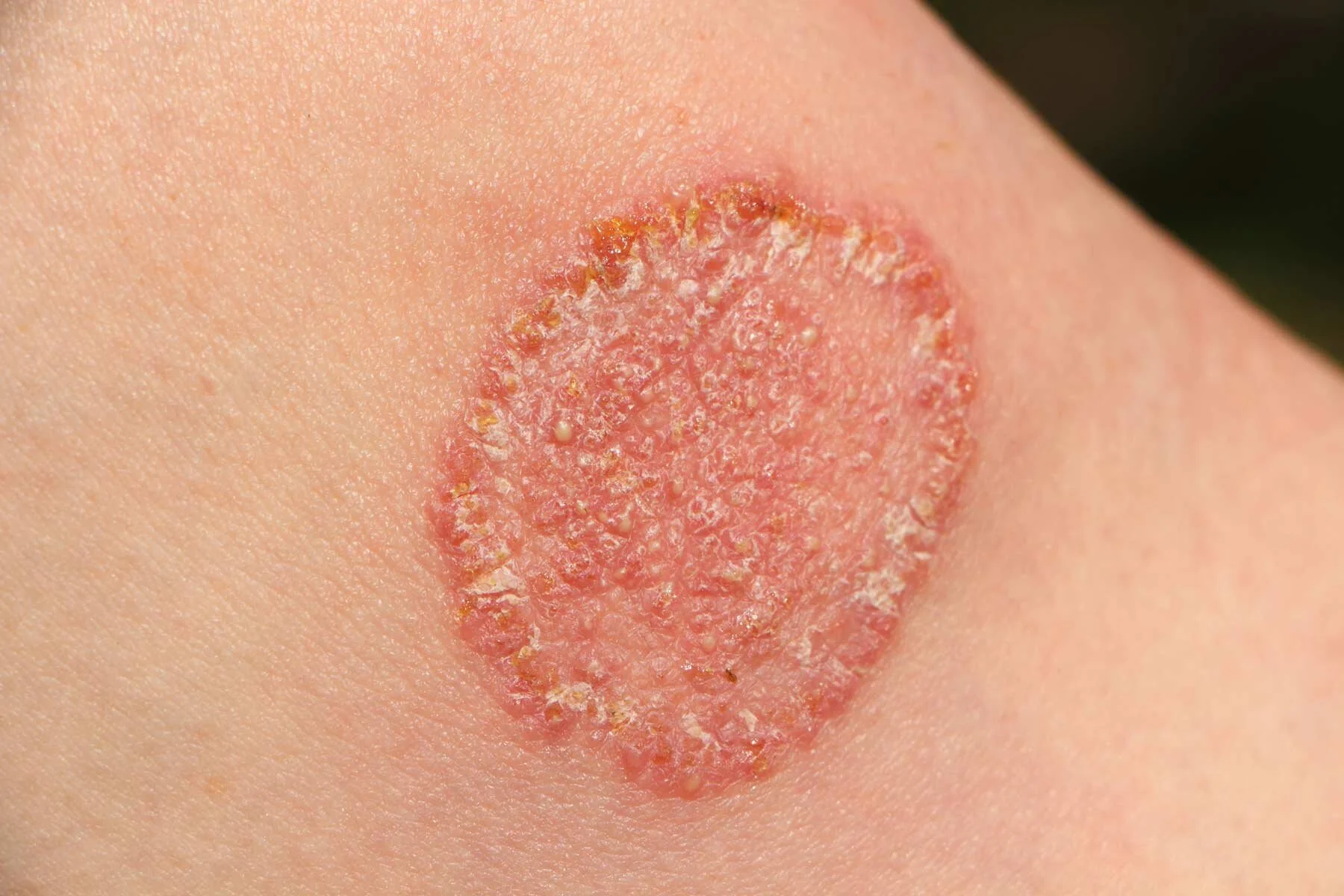
Fungal Infections (Ringworm, Tinea)
Type: Superficial dermatophyte infection
Early symptoms
- Ring-shaped red patches with a raised, active edge
- Itching or burning after sweating
- Possible scaling or fissures between toes/folds
If not treated
- Rapid spread to adjacent skin areas
- Secondary bacterial infection due to scratching
- Transmission to family members or teammates
Preventive measures
- Keep skin dry; avoid sharing towels/clothes
- Prompt antifungal treatment
- Sanitize clothing and bedding
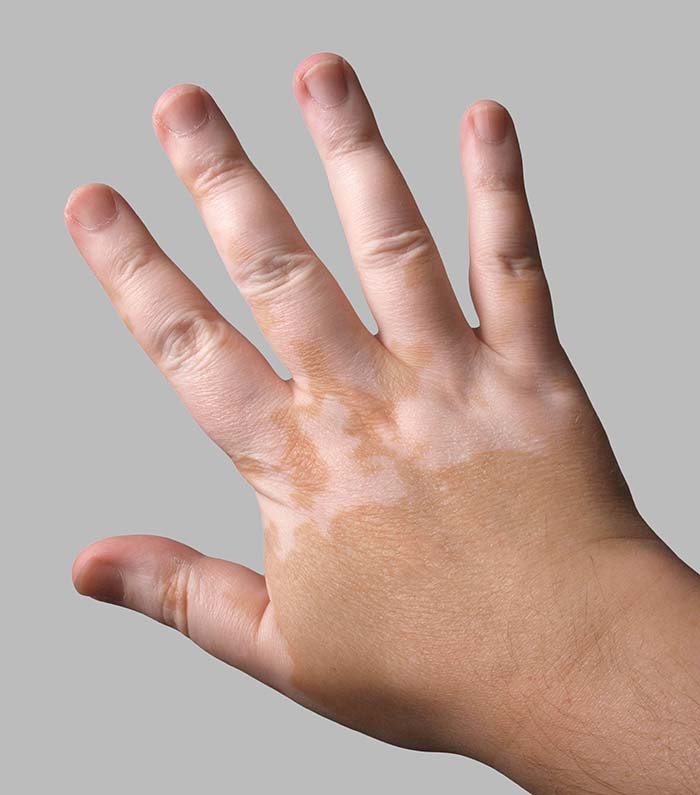
Vitiligo
Type: Autoimmune depigmentation disorder
Early symptoms
- Well-defined depigmented patches on fingers or around the mouth
- Premature graying of scalp or facial hair
- Sensitivity to sunburn on lighter patches
If not treated
- Spread of existing patches and new areas
- Psychosocial stress or self-image concerns
- Higher sunburn risk on depigmented skin
Preventive measures
- Sun protection on depigmented areas
- Dermatology follow-up for repigmentation options
- Camouflage as needed for confidence
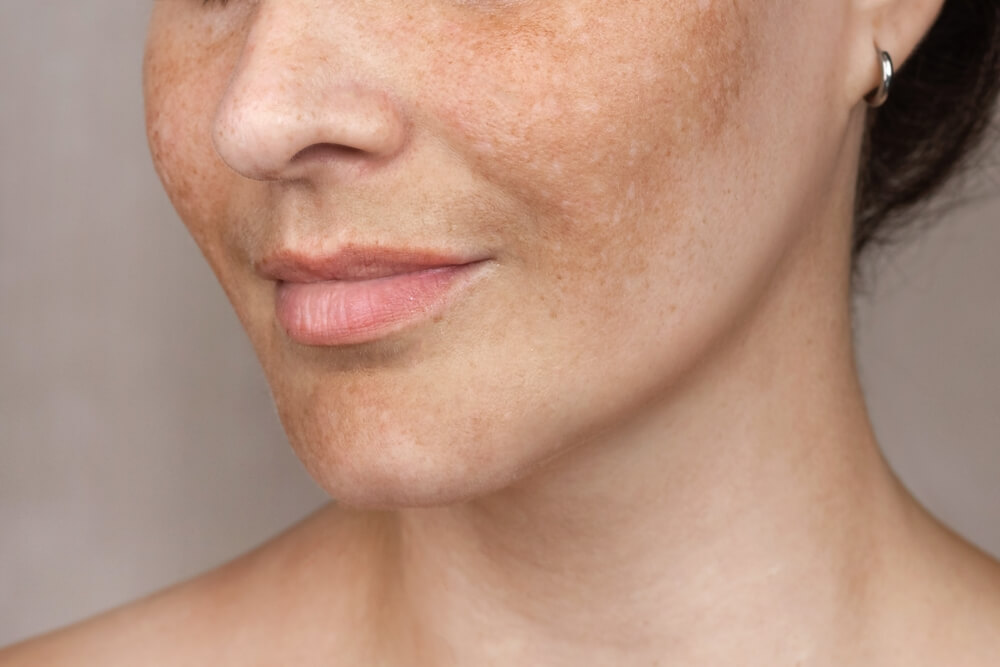
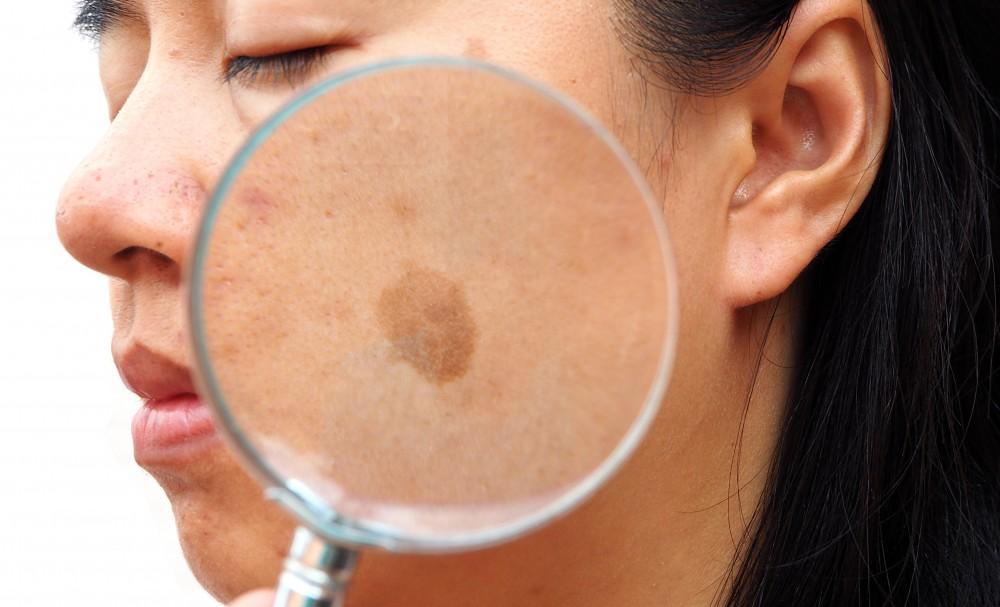
Melasma & Hyperpigmentation
Type: Pigmentary disorder
Early symptoms
- Symmetrical brown or gray-brown patches on cheeks and forehead
- Darkening after sun exposure or hormonal shifts
- Diffuse shading on the upper lip or jawline
If not treated
- Patches deepen in color and surface area
- Persistent cosmetic concern affecting confidence
- Higher susceptibility to UV-triggered recurrence
Preventive measures
- Daily broad-spectrum sunscreen and hats
- Avoid known photosensitizers
- Dermatology advice for safe lightening agents
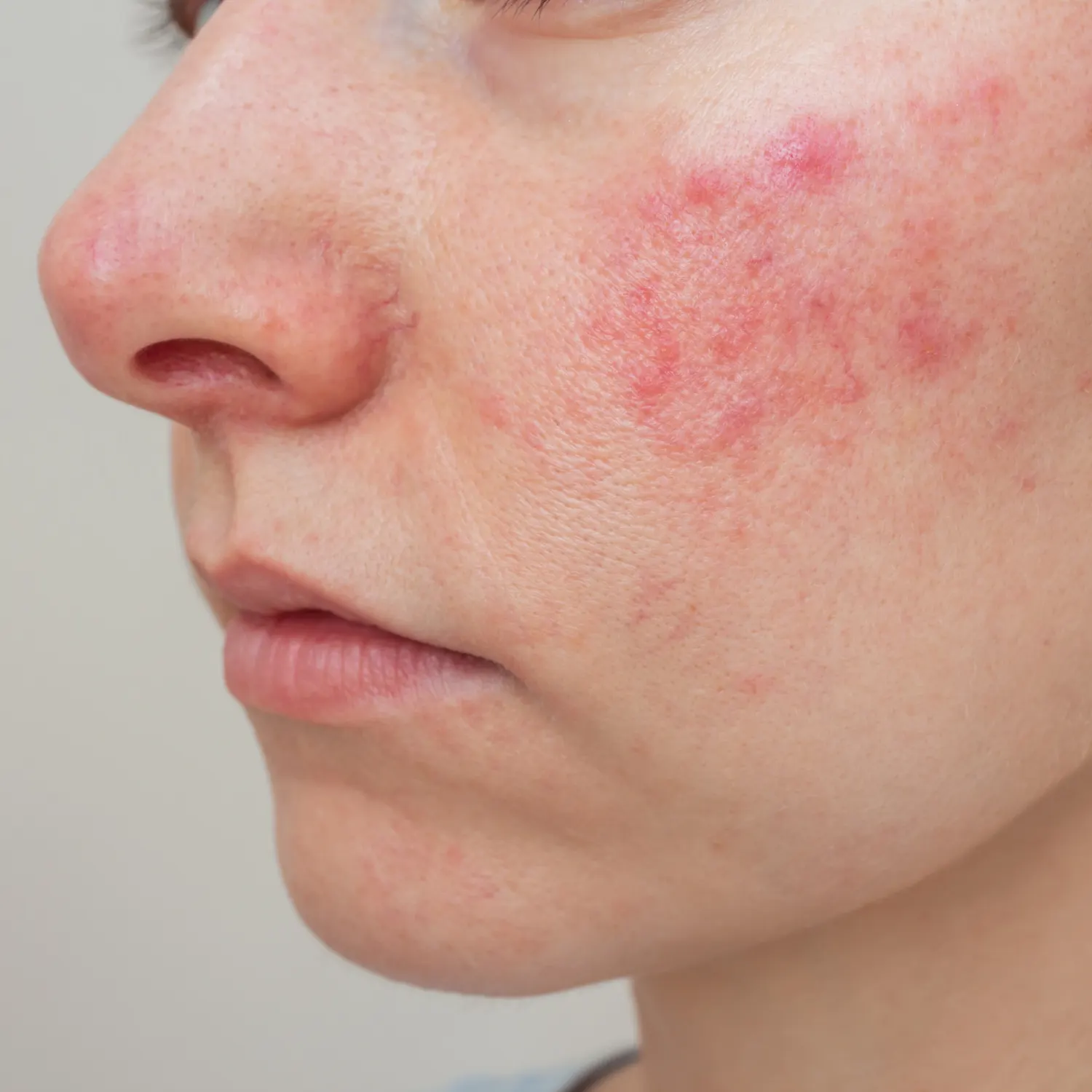
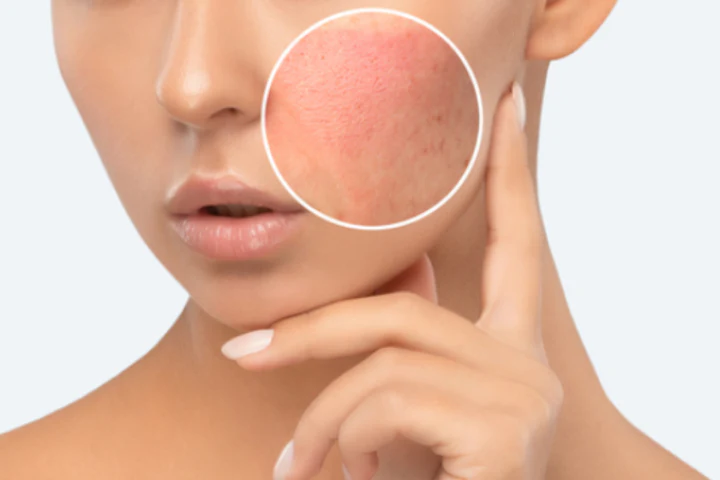
Rosacea
Type: Chronic vascular/inflammatory facial dermatosis
Early symptoms
- Persistent facial redness and burning sensation
- Visible dilated blood vessels on cheeks or nose
- Small pus-filled bumps that resemble acne
If not treated
- Thickened skin (phymas) especially on the nose
- Ocular rosacea causing red, irritated eyes
- More frequent and intense flushing episodes
Preventive measures
- Avoid triggers (alcohol, heat, spicy food)
- Use gentle skincare and sunscreen
- Seek medical management when flaring
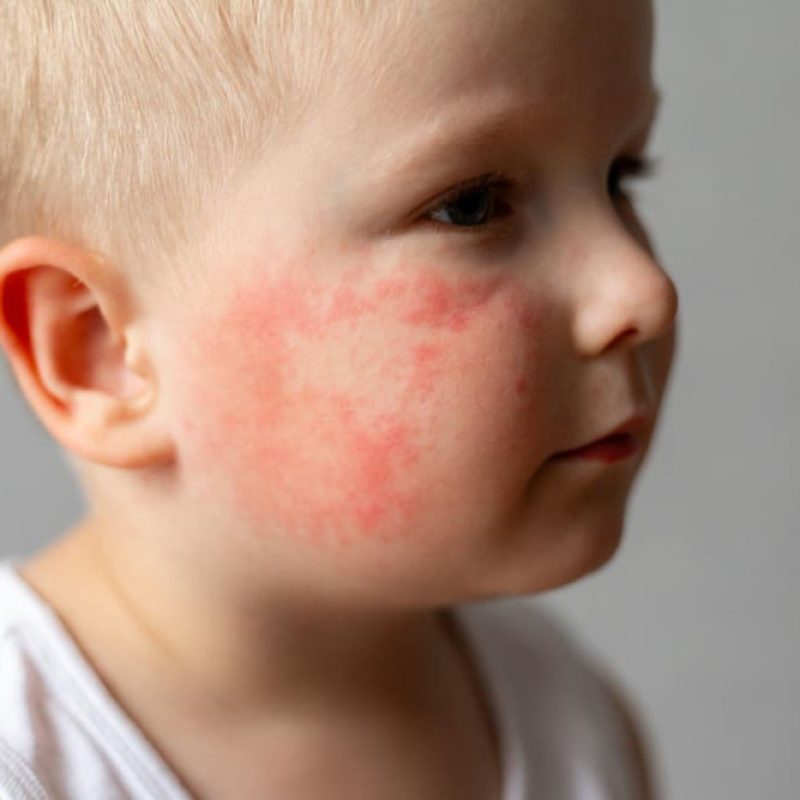
Impetigo
Type: Superficial bacterial infection
Early symptoms
- Honey-colored crusts around the nose or mouth
- Mild itching or soreness at lesion edges
- Rapid development of new, small blisters
If not treated
- Spread to other body parts or family members
- Possible cellulitis or deeper infections
- Persistent discomfort for children
Preventive measures
- Hygiene, avoid sharing items
- Cover lesions; follow prescribed antibiotics
- Keep nails short to reduce spread by scratching
Contact Dermatitis
Type: Allergic or irritant-induced dermatitis
Early symptoms
- Itchy, red rash where an irritant touched skin
- Swelling or blistering that mirrors the object’s shape
- Burning sensation or tenderness after contact
If not treated
- Chronic irritation and thickened skin
- Open sores that invite infection
- Difficulty performing tasks due to pain
Preventive measures
- Avoid known triggers (patch testing can help)
- Use barrier creams/gloves where applicable
- Gentle skincare to restore barrier
Actinic Keratosis
Type: Precancerous lesion from sun damage
Early symptoms
- Rough, sandpaper-like patches on sun-exposed sites
- Pink, red, or brown scaling areas that persist
- Mild tenderness when touched
If not treated
- Thickening into horn-like lesions
- Progression to squamous cell carcinoma (low risk)
- Cosmetic concerns on face and hands
Preventive measures
- Sun protection (SPF, clothing, shade)
- Dermatology evaluation and monitoring
- Avoid tanning beds
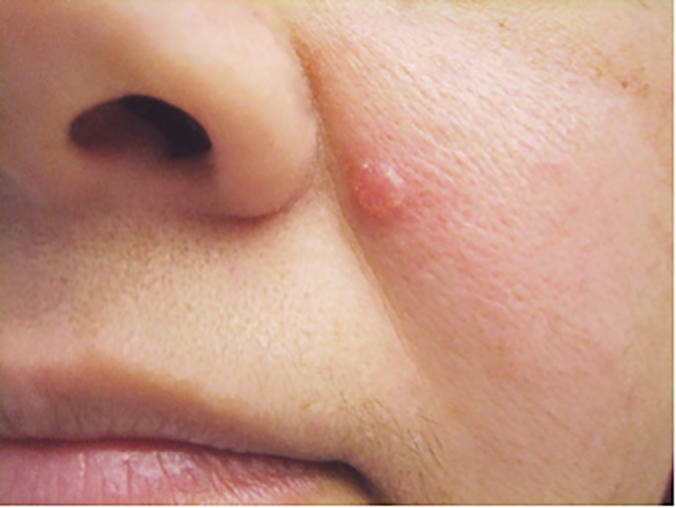
Basal Cell Carcinoma (BCC)
Type: Common non-melanoma skin cancer
Early symptoms
- Pearly bump or waxy nodule with visible vessels
- Non-healing sore that bleeds or crusts
- Scar-like patch that slowly enlarges
If not treated
- Deeper invasion into surrounding tissue
- Ulceration and noticeable deformity
- Rare spread but significant local destruction
Preventive measures
- Sun protection and regular skin checks
- Dermatology evaluation of suspicious lesions
- Prompt treatment to prevent progression
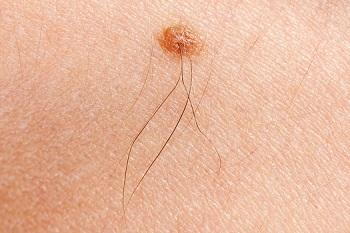
Melanoma
Type: Aggressive malignant skin cancer
Early symptoms
- Mole asymmetry, irregular borders, or color variation
- Diameter larger than 6mm or rapid evolution
- New dark lesion that looks unlike others
If not treated
- Invasion into lymph nodes and distant organs
- High mortality if diagnosis is delayed
- More aggressive treatments required
Preventive measures
- Sun safety and self-exams
- Dermatologist skin checks for high-risk individuals
- Act early on suspicious changes